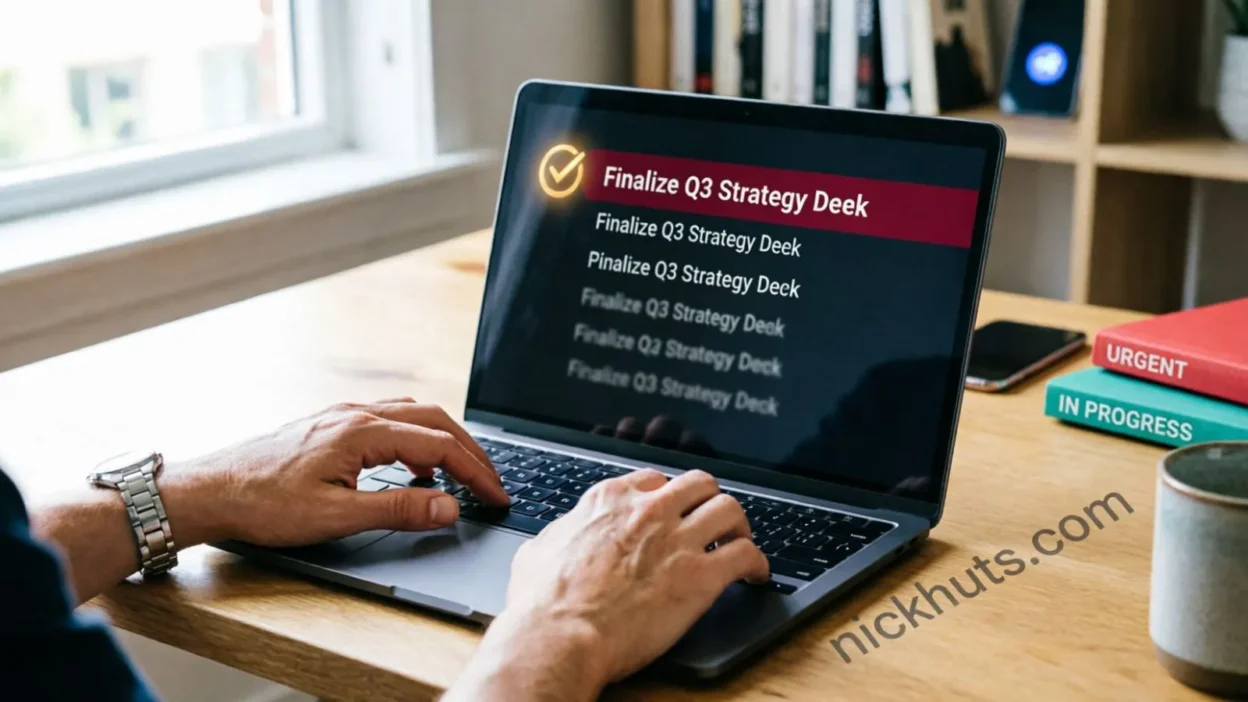
First Priority Usage shows how language naturally evolves at the same time in communication and meaning across contexts over time for better clarity.
In At the same time, language naturally evolves, and our understanding of grammar, usage, and tone, and how we interpret meaning shifts over time.
What is seen as what is seen as, once might seemed incorrect can become widely accepted if it helps us communicate better.
The beauty of English is that it adapts situation audience context, whether in casual team chat or a formal document, without losing meaning and clarity.
Quick Answer
Here is the simple meaning in easy bullet points:
- It means the most important thing to use or do first
- It shows highest importance in order of action
- It helps you decide what comes before other choices
- It is used when there are many options, but one must be chosen first
- It focuses on order, importance, and selection
In short:
👉 First priority usage = what you must use or do before anything else
Simple Origin or Background Explanation
To understand the phrase better, we can break it into three simple words:
- First → number one or the beginning
- Priority → something more important than others
- Usage → how something is used or applied
When these three words combine, they form a concept used in daily life, decision-making, and planning.
People often use this idea in:
- Work planning
- Study schedules
- Emergency situations
- Instructions and rules
- Daily decision-making
It is not a strict grammar rule. It is more of a practical idea used in real life.
Clear Explanation of the Difference
The confusion usually happens because people mix “priority” with “importance” and “usage.”
Let’s make it simple:
- Importance tells what matters most
- Priority tells what comes first
- Usage tells how something is used
So, first priority usage means:
👉 The action or item that must be used first because it is most important at that moment.
Example to understand:
If you have three tasks:
- Homework
- Playing games
- Watching TV
Your first priority usage might be:
👉 Homework (because it should be done first)
Even if all tasks are important, one must come first based on need or rule.
Comparison Table: Easy Understanding
| Aspect | First Priority Usage | Normal Usage |
|---|---|---|
| Meaning | What must be used or done first | General use of something |
| Importance | Highest | Normal |
| Order | Always first | No fixed order |
| Focus | Priority and decision | Everyday action |
| Example | Do homework before playing | Using a pen to write |
This table shows that first priority usage is about order and importance, not just usage in general.
Which One to Use and When
You use the idea of first priority usage when you need to decide what comes first in a situation.
You should use it when:
- You have many tasks but limited time
- You are making a schedule
- You are following instructions
- You are handling urgent situations
- You are planning work or study order
Simple rule:
👉 If something must happen before everything else, it is your first priority usage.
Real-life thinking:
- In studies: revise before watching TV
- In health: take medicine before going out
- In work: finish urgent email before casual tasks
Common Mistakes People Make
Many learners misunderstand this phrase. Here are the most common mistakes:
1. Thinking everything is first priority
Not all tasks are equally important. Only one or few things can be first.
2. Confusing priority with preference
Preference is what you like. Priority is what you must do first.
3. Ignoring situation
First priority can change based on time and need.
4. Mixing order and importance
Something may be important but not first in order.
5. Overthinking the phrase
People think it is technical, but it is very simple in real life.
Everyday Real-Life Examples
Let’s see how first priority usage works in daily life:
1. Email Example
You are checking emails:
- Work deadline email
- Friend’s message
- Advertisement email
👉 First priority usage: Work deadline email
2. School Example
A student has:
- Exam revision
- Video games
- Social media
👉 First priority usage: Exam revision
3. Emergency Example
If someone is injured:
- First aid
- Calling a doctor
- Taking photos
👉 First priority usage: First aid
4. Social Media Example
You have:
- Posting pictures
- Replying to urgent messages
- Browsing feeds
👉 First priority usage: Replying to urgent messages
5. Daily Life Example
At home:
- Cooking food
- Cleaning room
- Watching TV
👉 First priority usage: Cooking food (if you are hungry)
Short Learning Section for Students and Beginners
Here is a very simple way to remember:
Think of a ladder:
- Top step = first priority usage
- Middle step = less important tasks
- Bottom step = optional tasks
Easy formula:
👉 Urgency + Importance = First Priority Usage
Simple learning tip:
Ask yourself:
- “What must I do first?”
- “What will cause problems if I delay it?”
The answer is your first priority usage.
FAQs:
1. What does first priority usage mean in simple words?
It means the thing you must use or do first because it is most important.
2. Is first priority usage a grammar rule?
No, it is not a grammar rule. It is a concept used in daily life.
3. Can there be more than one first priority?
Usually no, but in some cases, two urgent tasks can share top priority.
4. Does first priority change?
Yes, it can change based on situation and urgency.
5. What is the difference between priority and usage?
Priority is about importance order, while usage is about how something is used.
6. Where do we use this idea?
We use it in study, work, planning, and daily decision-making.
7. Is first priority always the same for everyone?
No, it depends on personal situation and needs.
8. Why is it important to understand this concept?
It helps you manage time better and make smarter decisions.
Conclusion
The idea of first priority usage is very simple when understood clearly. It is not a complex rule, but a way of deciding what comes first in life, work, or study.
If you face many choices, just remember:
👉 The most important and urgent thing becomes your first priority usage.
This helps you stay organized, save time, and make better decisions in everyday life.